Friction assessment
Understanding what's not working and why.
-
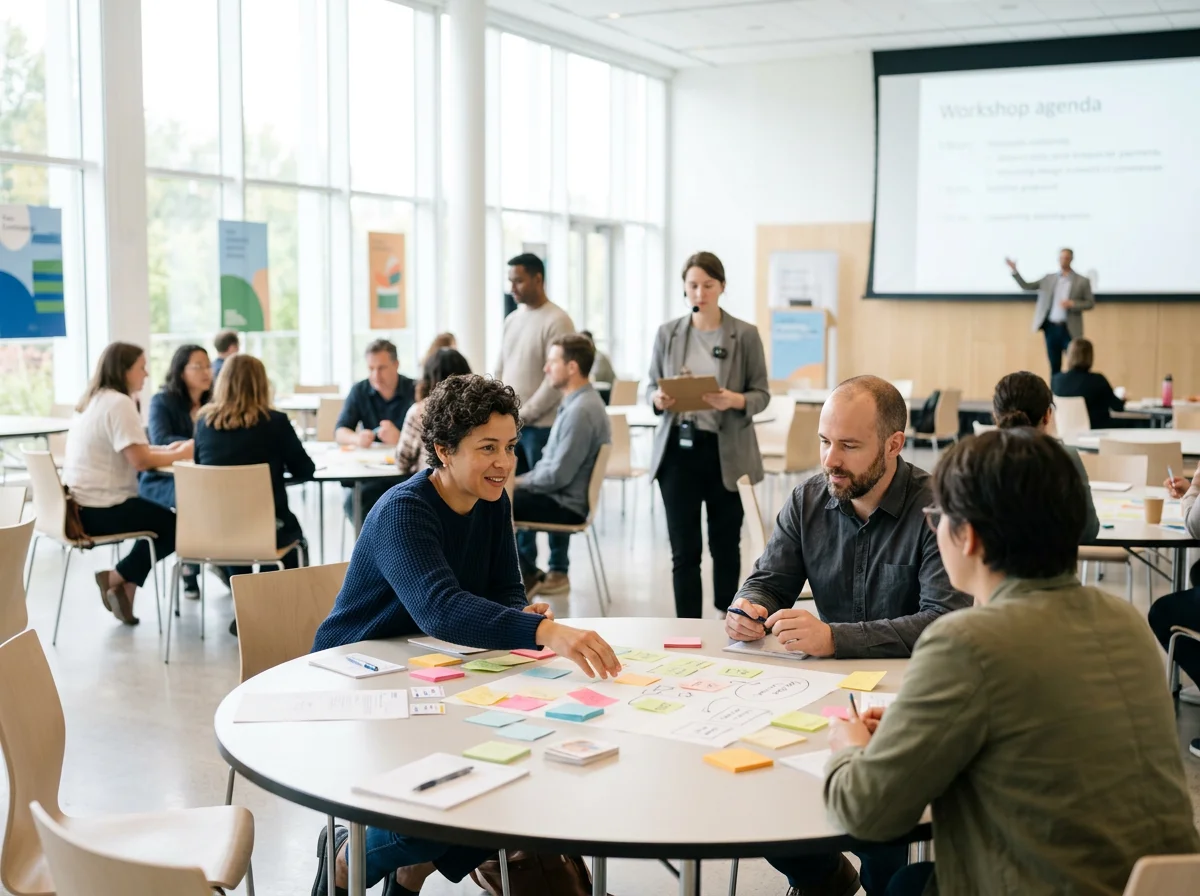
Take a closer look at how work actually gets done to identify inefficiencies, duplication, unnecessary complexity, and opportunities to improve quality and performance.
-
Move beyond assumptions and recurring symptoms to uncover the underlying factors contributing to persistent organizational challenges.
-
Explore how roles, responsibilities, systems, communication, and ways of working interact to identify where teams experience unnecessary barriers.
-
Examine how performance is measured and where gaps between effort, results, and value may be creating opportunities for improvement.
Collaborative Design
Better by design. Better for everyone.
-
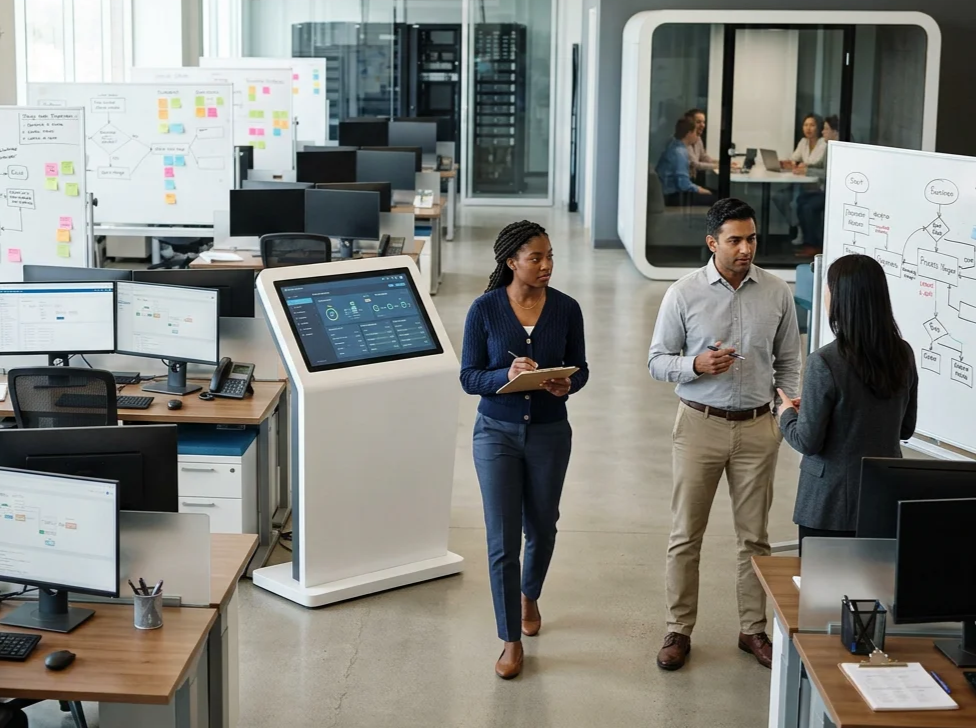
Create or redesign ways of working that are simpler, more effective, and better aligned with the needs of the people who use them.
-
Design services and experiences that consider diverse needs, remove unnecessary barriers, and improve accessibility, quality, and value.
-
Bring employees, stakeholders, and service users together to explore possibilities and shape practical solutions through shared insights and experiences.
-
Turn ideas into actionable concepts, test possibilities, and design improvements that balance organizational priorities with real user needs.
Change Implementation
Turning good ideas into lasting improvements.
-
Understand who will be affected by change, how prepared they are, and what support may be needed to make the transition successful.
-
Translate ideas into clear actions, responsibilities, milestones, and practical plans for putting improvements into place.
-
Help people understand why change is happening, what it means for them, and how they can contribute to making it successful.
-
Equip teams with practical tools, feedback mechanisms, and meaningful performance measures to help new ways of working take hold and continue improving.
Professional Facilitation
Better conversations. Stronger connections. Meaningful outcomes.
-
Bring people together to explore possibilities, establish shared priorities, and develop a clear direction forward.
-
Create opportunities for teams to strengthen relationships, build shared understanding, and reconnect around common goals.
-
Design and facilitate inclusive discussions that encourage participation, surface diverse perspectives, and generate meaningful insights.
-
Help groups think creatively, challenge assumptions, explore new ideas, and turn possibilities into next steps.
-
Plan and facilitate engaging sessions, from small working groups to larger virtual, hybrid, or in-person gatherings.